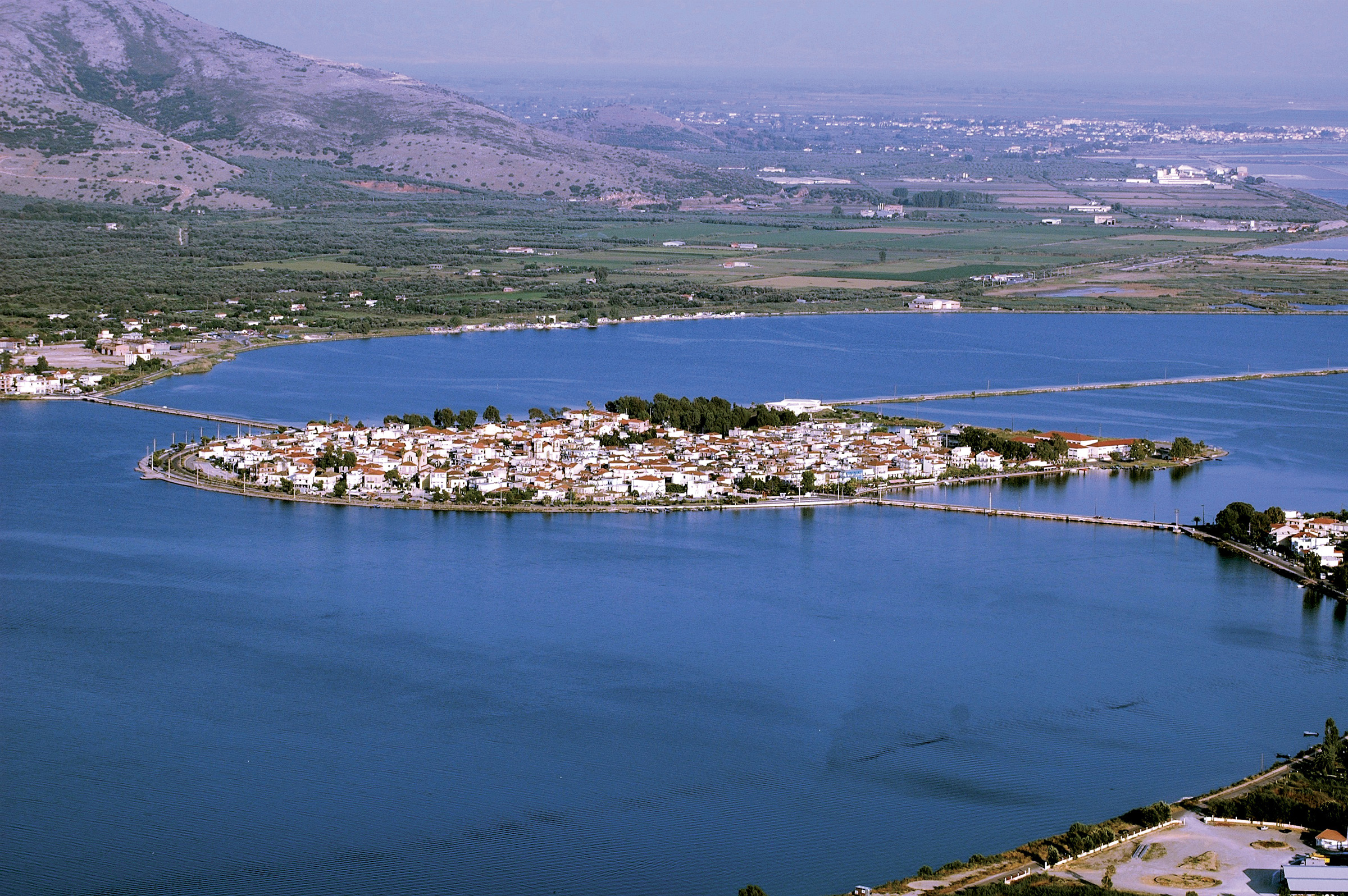
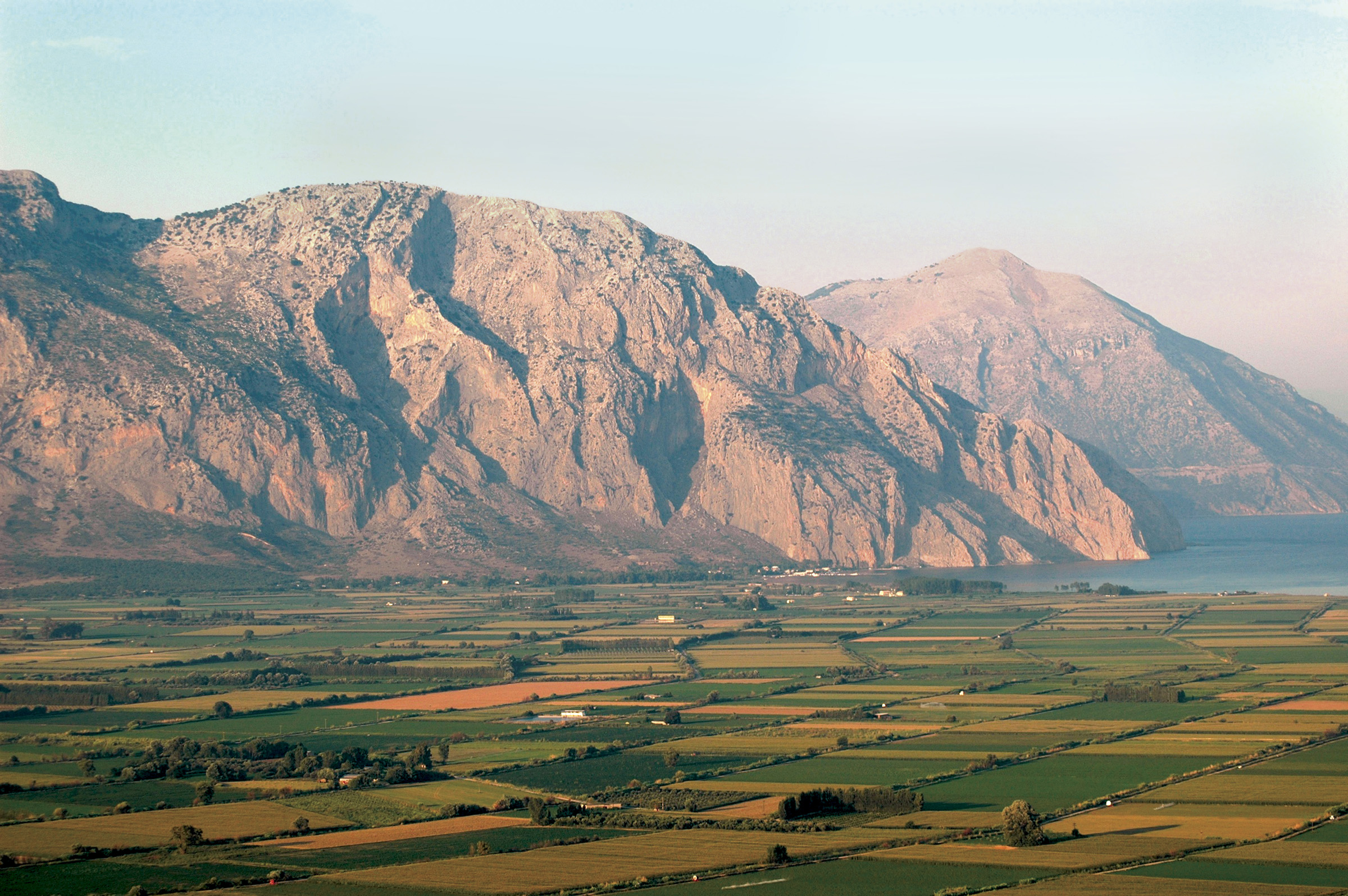
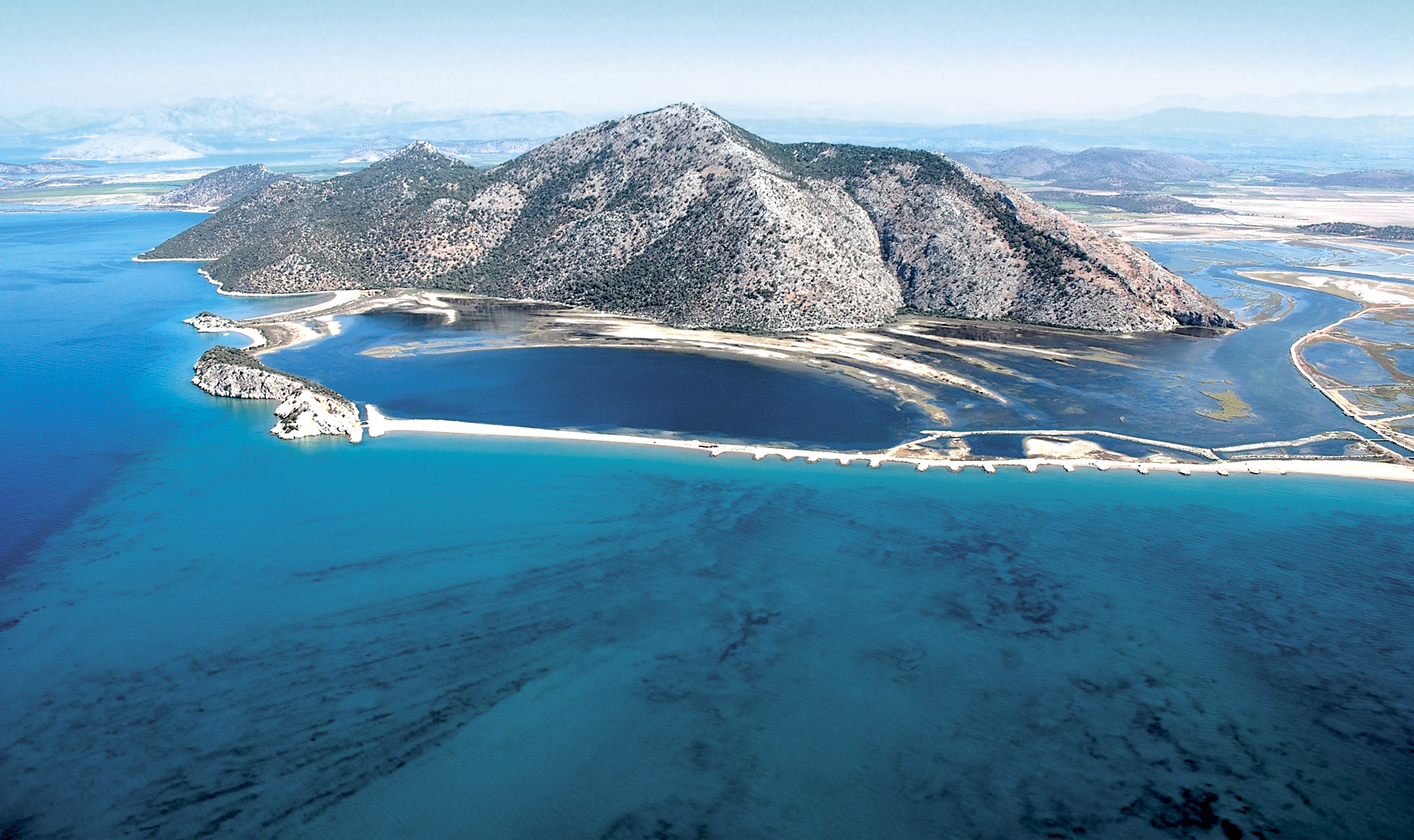
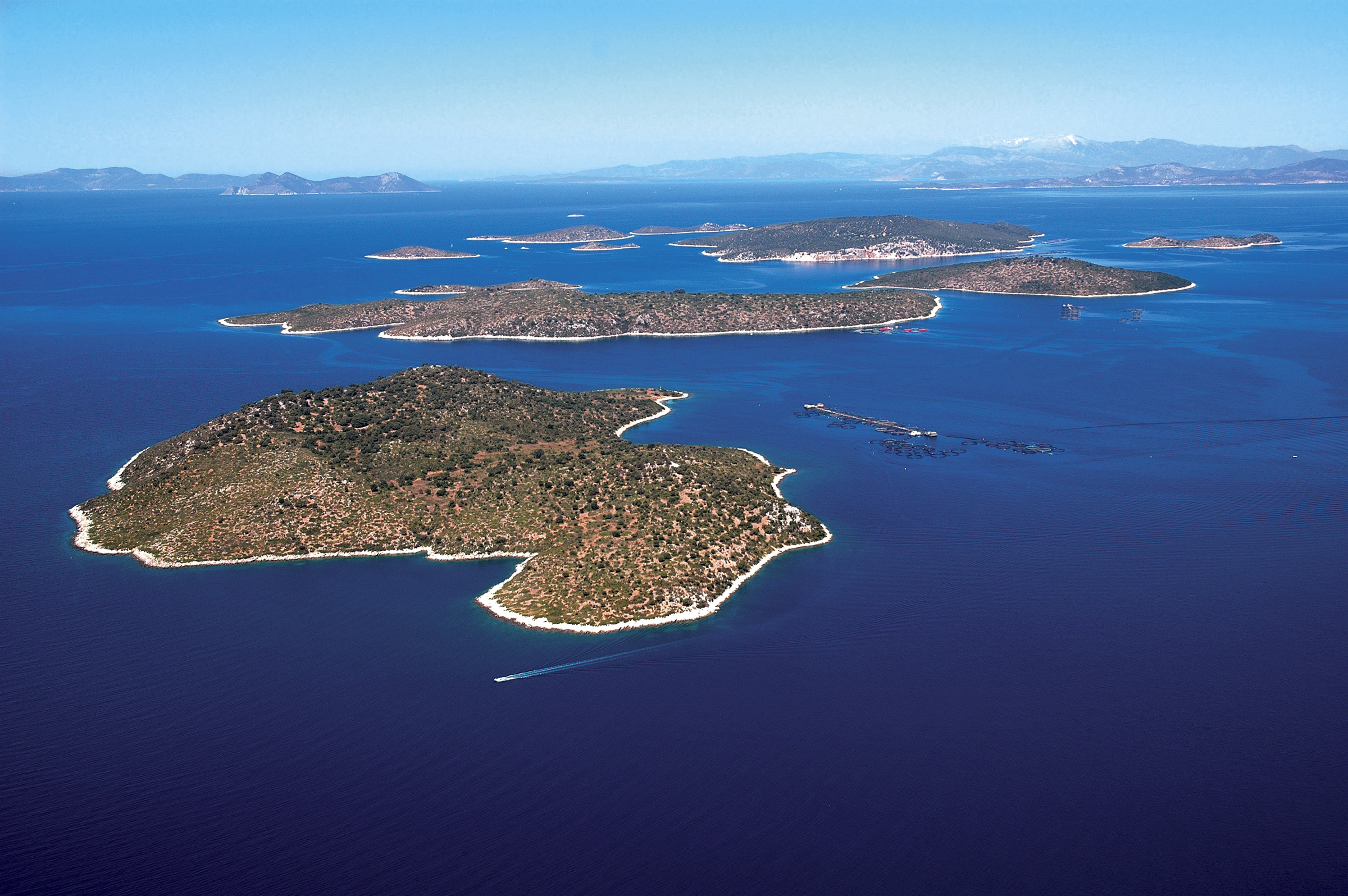
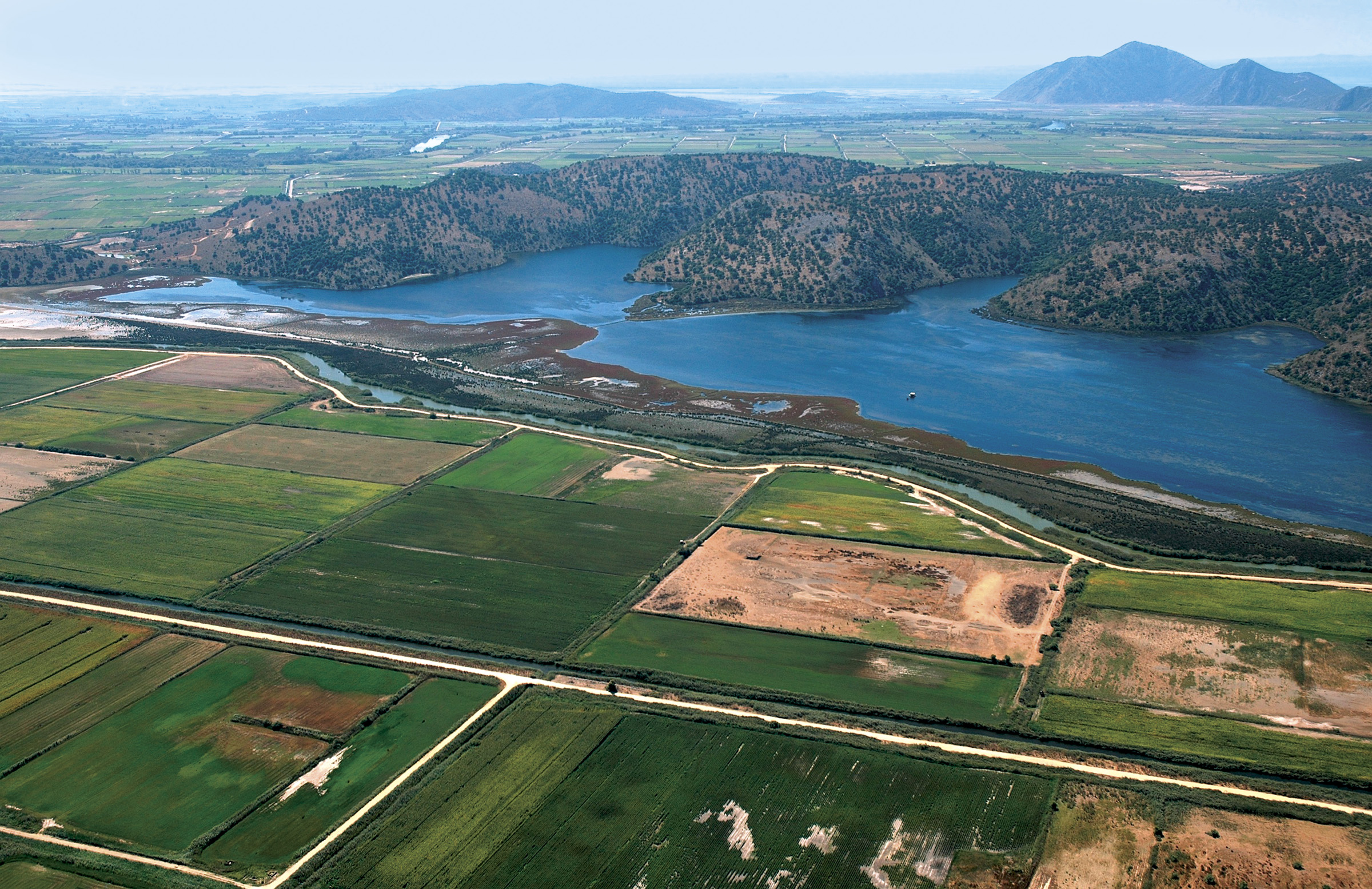
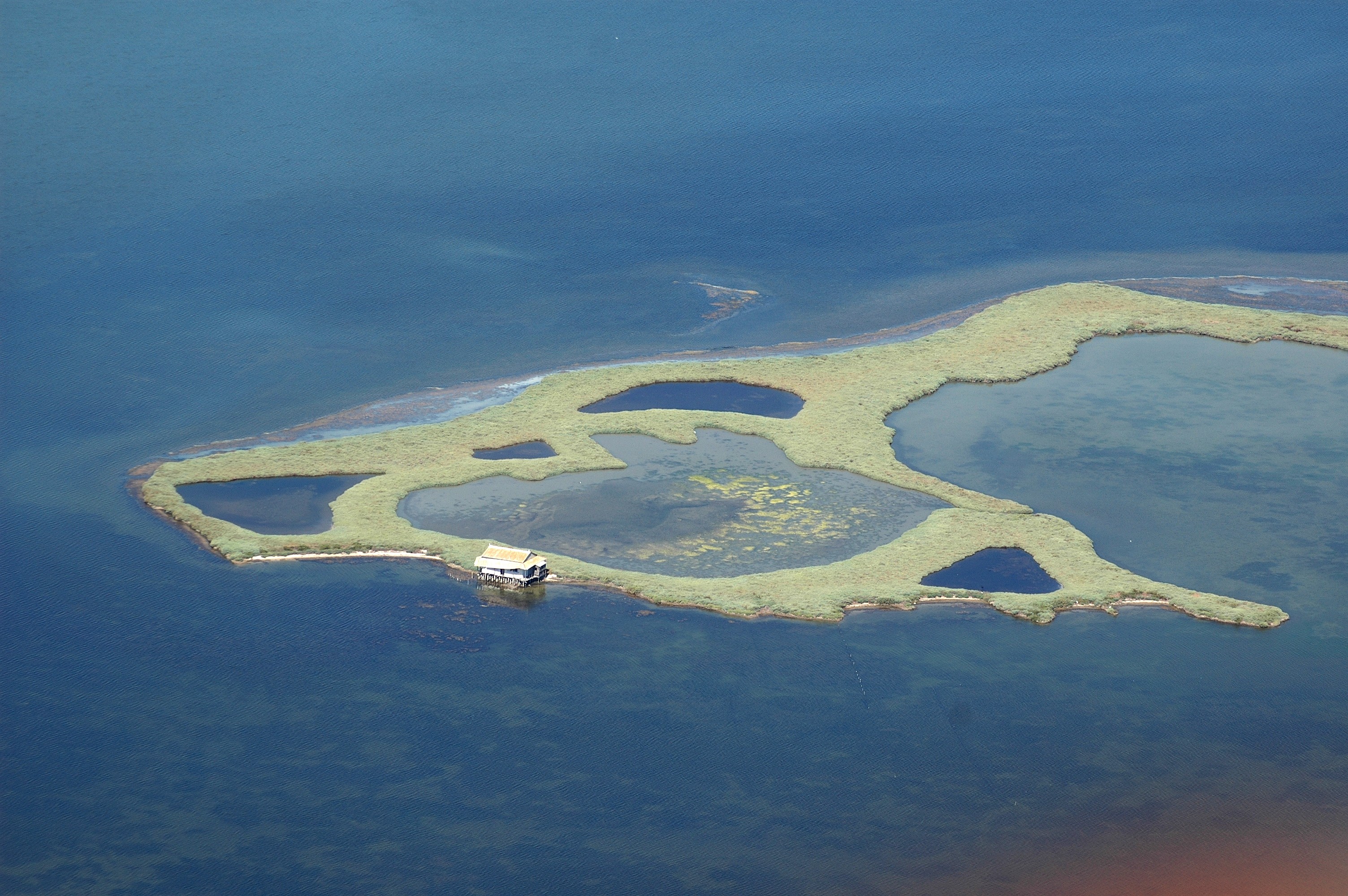
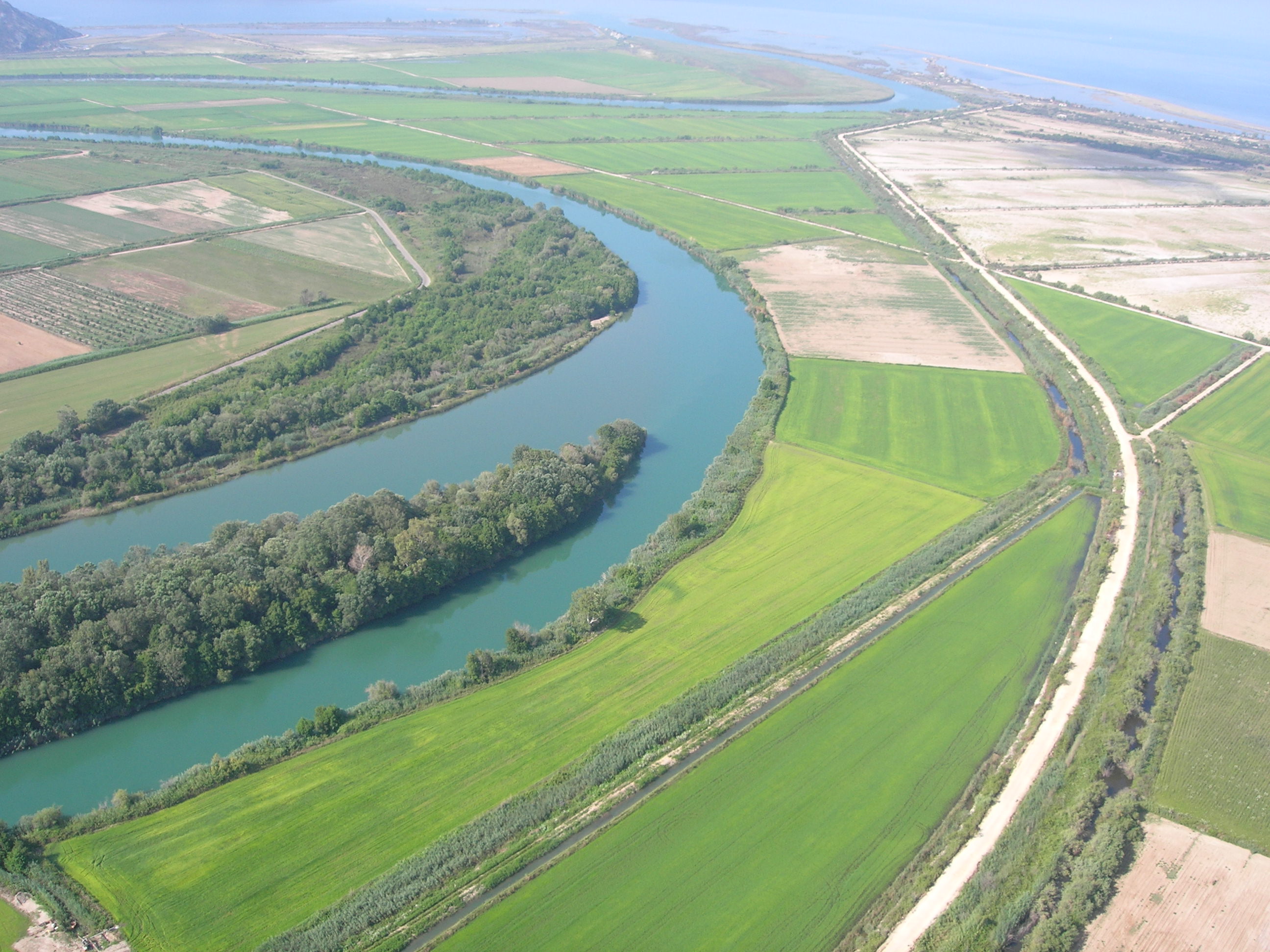
The National Park is located on the southwestern tip of the district of Sterea Ellada, where the Gulf of Patras meets the Ionian Sea, which the rivers Evinos and Acheloos also flow into. It constitutes one of the richest wetlands in Europe, both in terms of number of species, and population.This area comprises lagoon, land and riverside areas of the southern part of the prefecture of Aitoloakarnania as well as the island complex of Echinades of the Prefecture of Kefalonia, which are distinguished for their great biological, ecological, aesthetic, scientific, geomorphological and environmental value.The park includes:Wetlands complex: The extensive wetlands complex formed by the Messologhi – Aitoliko lagoons and the estuaries of the rivers Evinos and Acheloos. The complex includes river and riparian areas, lagoons, freshwater marshes, salt marshes, mudflats, riparian forests. A leading role in the shaping of the wetland area has been played by the Evinos and Acheloos rivers which also constitute the wetland’s natural boundaries to the east and west respectively.Messolonghi Lagoon: The Messolonghi – Aitoliko Lagoon is the biggest lagoon in Greece and one of the largest in the Mediterranean. Today, due to the morphology of the area as a result of anthropogenic interventions during the 1960-1995 period, it consists of a system of six lagoons that are relatively isolated from each other and have different physicochemical characteristics. Their size is about 15,000 hectares, while the wider wetland area includes coastal ecosystems, marshes, salt flats and drained areas attributable to agricultural activities.A lagoon complex has formed, the six distinct lagoons of which are the following:•North Canal of Klisova lagoon•Klisova lagoon•Kentriki Limnothalassa («Central Lagoon») [in which the following fish farms exist: Tourlida, Vasiladi, Schinias and Prokopanistos]•Tholi lagoon•Palaiopotamos lagoon•Aitoliko lagoon (Canal of Aitoliko)Terrestrial section of the Park: It includes:•Hills scattered in the wetland; most of these were part of Echinades islands in the past, and the alluvial action of Acheloos river brought them ashore.•Mount Varasova (game refuge) and part of Mount Arakynthos.•Dunes created by the debris of rivers; they demarcate the boundaries between the lagoons and the open sea.•The gorge of Kleisoura, recognised as “a region of unspoiled natural beauty”•The Fraxinus angustifolia (Narrow-leafed Ash) forest, designated as a “Natural Monument”•Cultivated land•The island complex of Echinades, which is inextricably tied to the estuary of Acheloos river.
 sti limnothalassa tis Kleisovas_FDM.jpg_vmNJiwWhtLUYRbOyoIeMgPuzxElVDAKGpTBdqrZCQcjsknHXafSF1438597789.jpg)
_lth Kleisova_FDM.jpg_gcGvBZIRVLaSuQExTmPlYbJzoCDOejXNypAKnfrtHiFwdUMhksWq1438597801.jpg)
 tis limnothalassas Mesolongiou_FDM.jpg_VoLzGcsJvnCWAXOwFQBZNuaPjYgDiSHqEdhfUyIxMrbTptlKmRke1438597811.jpg)